


- Mezzanine Floors
- Self-Storage Units
- Racking & Shelving
- Custom Fabrications
2026 European Self Storage Industry Report: Where Can Operators Grow as Occupancy Falls?
read

Average self-storage occupancy across Europe slipped to 76.5%. Yet nearly three in four operators surveyed across continental Europe expected profits to improve over the following 12 months. So where might that improvement come from?
The 2026 European Self Storage Industry Report from FEDESSA and CBRE looks at everything from rental rates to remote management. For us at USS, one of the most interesting questions is what operators can do with the space they already have. If your smallest units are always full and your largest ones sit empty, could changing the layout help you take more bookings?
One European average, very different local markets
Occupancy rose in Germany and Austria but fell in Spain and Italy. Average rental rates per square metre fell by 0.8% across the continental European markets covered. In the UK, they fell by 7.4% in sterling, with the report pointing to growing competition from container storage and pressure on household budgets. We explore the UK market in more detail in our breakdown of the separate 2026 SSA UK Annual Industry Report.

This year’s European survey covered 2,130 stores across 21 countries, up from 1,431 stores last year. Some of the year-on-year change may reflect which stores took part. New openings can also bring down the average while they fill up, so it’s worth keeping the age of a store in mind when comparing occupancy figures.
Are you losing bookings because you’ve run out of the right size?
You can have units available and still be turning people away. A customer who needs somewhere to put a few boxes is unlikely to pay for a room twice the size just because it’s the only one you have left.
Start by comparing which sizes sit empty with what people ask for when they call or enquire online. If customers keep asking for a size that’s usually full, it may be worth splitting a few larger units or changing the mix in the next phase of your fit-out. If the right size was available and people still walked away, look at the price and how easy it was to book.
If you’re planning a new facility, think about how your self-storage layout and unit partitioning could adapt once you know which sizes customers actually book. Moving a partition on a drawing is a lot easier than moving one in a store that’s already trading.
How much more could your existing building earn?
Rising land costs were the biggest concern for surveyed operators. The report also found that extras such as packaging, insurance and move-in services accounted for 15.2% of total revenue, up from 11.2% the previous year. Some operators are using parts of their sites for vehicle or archive storage, too.
If you’re looking for more room within an existing building, start by looking up. A building with enough clear height might have room for a mezzanine. The figure to compare is the net lettable area, which is the space customers can actually rent once you’ve allowed for stairs, lifts and corridors.
Then picture someone trying to get a sofa around the corner. A layout can look efficient on paper, but if customers struggle to get their belongings to the unit, they’ll deal with that every time they visit. It’s worth walking through the route on the plan before you settle on a design.
Could a first-time customer move in on a Sunday without asking for directions?
Around 42% of surveyed stores used remote management. At 4M Self Storage in Whitchurch, we helped turn an empty commercial building into a fully unmanned facility with 101 units across two floors. Customers can book online and access their units around the clock.
Picture someone pulling up with a loaded van on their first visit. Can they tell where to unload and find a trolley? If their unit is upstairs, is the route to the lift obvious? And if their access code doesn’t work, do they know who to call?
If you’re planning automation for a self-storage facility, it’s worth walking through that first visit while you can still change the layout. The same questions apply to staffed stores that let customers move in outside reception hours.
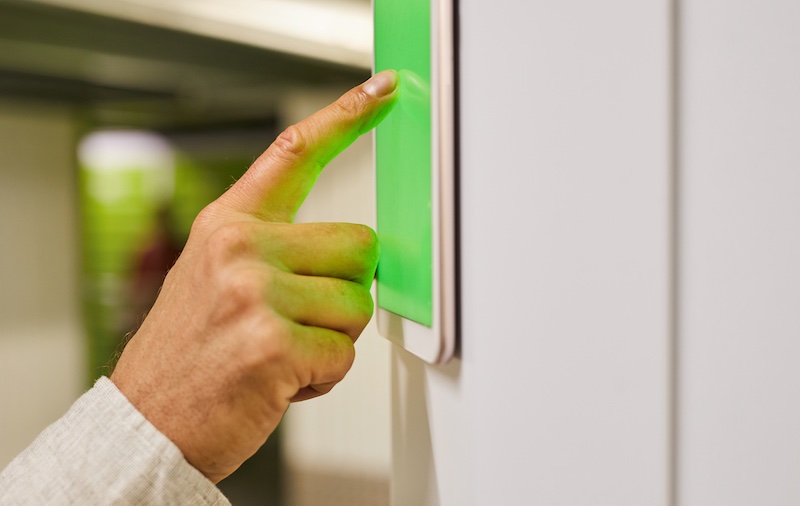
Can customers picture what they’re paying for?
In France and Germany, only around one in six people surveyed reported reasonable or good awareness of self-storage. It’s easy to forget how unfamiliar the process can be when you work in the industry every day.
A customer might drive past your store every morning and still have no idea which unit would fit the contents of their flat or whether they could move in that weekend. Photos showing what fits in each size can help them choose. A short video from the loading bay to the unit can show them what to expect on move-in day. If the same questions keep coming up on the phone, those are the ones to answer first on your booking page.
Frequently asked questions about the 2026 European Self Storage Industry Report
Where can I read the full 2026 FEDESSA report?
The 2026 European Self Storage Industry Report is available on the FEDESSA website. Produced with CBRE, it draws on a survey covering 2,130 stores across 21 countries.
How is the FEDESSA report different from the SSA UK Annual Industry Report?
The FEDESSA report looks at self-storage across Europe, including the UK. The SSA UK report, produced with Cushman & Wakefield, looks specifically at the UK market. For a closer look at what’s happening here, read our breakdown of the 2026 SSA UK Annual Industry Report.
How is self-storage occupancy measured?
When occupancy is measured by floor area, it tells you how much of the space available to rent is currently let. If customers rent 7,500 sq ft out of 10,000 sq ft, occupancy is 75%. Counting individual units can give you a different figure, especially if the store has a mix of small lockers and large rooms.
Does falling occupancy mean fewer people are using self-storage?
Occupancy can fall even when more people are renting storage. If new facilities add space faster than customers rent it, a smaller share of the total space is occupied. That’s one reason to consider how long a store has been open when comparing occupancy figures.
What should I check before expanding my self-storage facility?
Look at which unit sizes regularly sell out and what customers ask for when you can’t take their booking. If enquiries keep coming in for the same size, it may be worth reconfiguring some existing units before adding more floor space. Our guide to expanding a self-storage facility covers the options.
What is net lettable area in self-storage?
Net lettable area is the floor space you can rent out as storage. Corridors, stairs and lifts all take up room, so two layouts for the same building can leave you with different amounts of space to let. It’s a useful figure to compare when reviewing self-storage fit-out designs.
A note from USS
If you’re planning a new facility or looking again at an existing one, talk to the USS team about your self-storage project. We’re happy to look at which unit sizes make sense for your site and what you could do with the space you already have.
This blog is for information purposes only and should not be construed as legal or financial advice and not intended to be substituted as legal or financial advice.

Follow Us


- Custom Fabrications
- Racking & Shelving
- Self-Storage Units